
PMC Studio Monitors Explained: Transmission Line Design, Dolby Atmos Studios & the New PMC10, PMC12, PMC15 + PMC10-4

Why PMC Speakers Are Dominating Professional Mixing and Dolby Atmos Rooms
If your mixes fall apart outside your studio, there’s a good chance your monitors are lying to you.
Not aggressively. Not obviously.
Just enough to make you feel confident… until reality hits in the car, on AirPods, or in a club.
That’s the problem PMC set out to solve.
These aren’t speakers designed to impress you in a demo.
They’re designed to hold up under pressure—broadcast, mastering, and now, increasingly, Dolby Atmos music production.
Let’s break down why.
PMC’s Origins: Built for Broadcast, Not Bedroom Studios
PMC (Professional Monitor Company) was founded in the early 1990s with a very specific mission:
Build monitors that engineers can trust for critical decisions.
Not vibe. Not hype.
Trust.
That’s why early adoption came from places like the BBC—environments where:
Translation is non-negotiable
Long sessions are standard
Mistakes are expensive
Broadcast engineers don’t care how “exciting” a speaker sounds.
They care whether what they’re hearing is true.
That DNA is still baked into every PMC design today.
Design Philosophy: Physics Over Flavor
Let’s get something straight:
Most speakers are designed with a bit of “personality.”
That’s a polite way of saying they’re coloring your decisions.
PMC took a different route.
The Problem With Traditional Monitor Design
Typical speaker designs fall into two camps:
Sealed boxes → tight but limited low end
Ported designs → extended bass, but often smeared and phasey
Both approaches compromise somewhere.
PMC’s Solution: Advanced Transmission Line (ATL™)
PMC’s defining technology is its Advanced Transmission Line design.
Instead of letting low frequencies bounce around chaotically inside a box or blast out of a port, PMC uses a long, folded internal pathway that:
Absorbs unwanted frequencies
Controls airflow
Releases low-end energy in phase with the driver
What That Means for You
Deeper bass without exaggeration
Tighter transient response
Better phase coherence across the spectrum
Less reliance on guessing low-end decisions
This isn’t about “big bass.”
It’s about accurate bass—which is way more valuable.
What Actually Makes PMC Different
Here’s the uncomfortable truth:
A lot of speakers are designed to make you feel good.
PMC speakers are designed to make you better.
Key Differences:
Translation-first voicing (not flattering)
Consistency across models (easy-to-scale systems)
Low listening fatigue (critical for long sessions)
Works with your room—not against it
You don’t get instant gratification.
You get long-term trust.
Why PMC Is Everywhere in Dolby Atmos Studios
The rise of immersive audio—especially music mixed in Dolby Laboratories Atmos—has exposed a major flaw in most monitoring setups:
1. Stereo lies are manageable.
2. Immersive lies are chaos.
Atmos demands:
Precise spatial imaging
Phase consistency across multiple speakers
Full-range clarity in every position (not just left/right)
Why PMC Works So Well in Atmos
Phase accuracy translates across multi-speaker arrays
Consistent voicing across the entire system
Scalable designs for small and large rooms
Reliable low-end reproduction without sub-dependency guesswork
That’s why PMC has become a go-to for serious Atmos rooms—not because it’s trendy, but because it works.
The New PMC Monitor Line: PMC10, PMC12, PMC15 & PMC10-4
PMC’s latest main monitor series is built around a true 3-way architecture across the entire range—dedicated low-frequency, mid-frequency, and high-frequency drivers, combined with PMC’s ATL™ (Advanced Transmission Line) design and DSP-controlled amplification.
This isn’t a “voiced differently at each price point” lineup.
It’s a scalable monitoring system where performance increases with size, output, and extension—while maintaining consistent tonal balance and translation across every model.
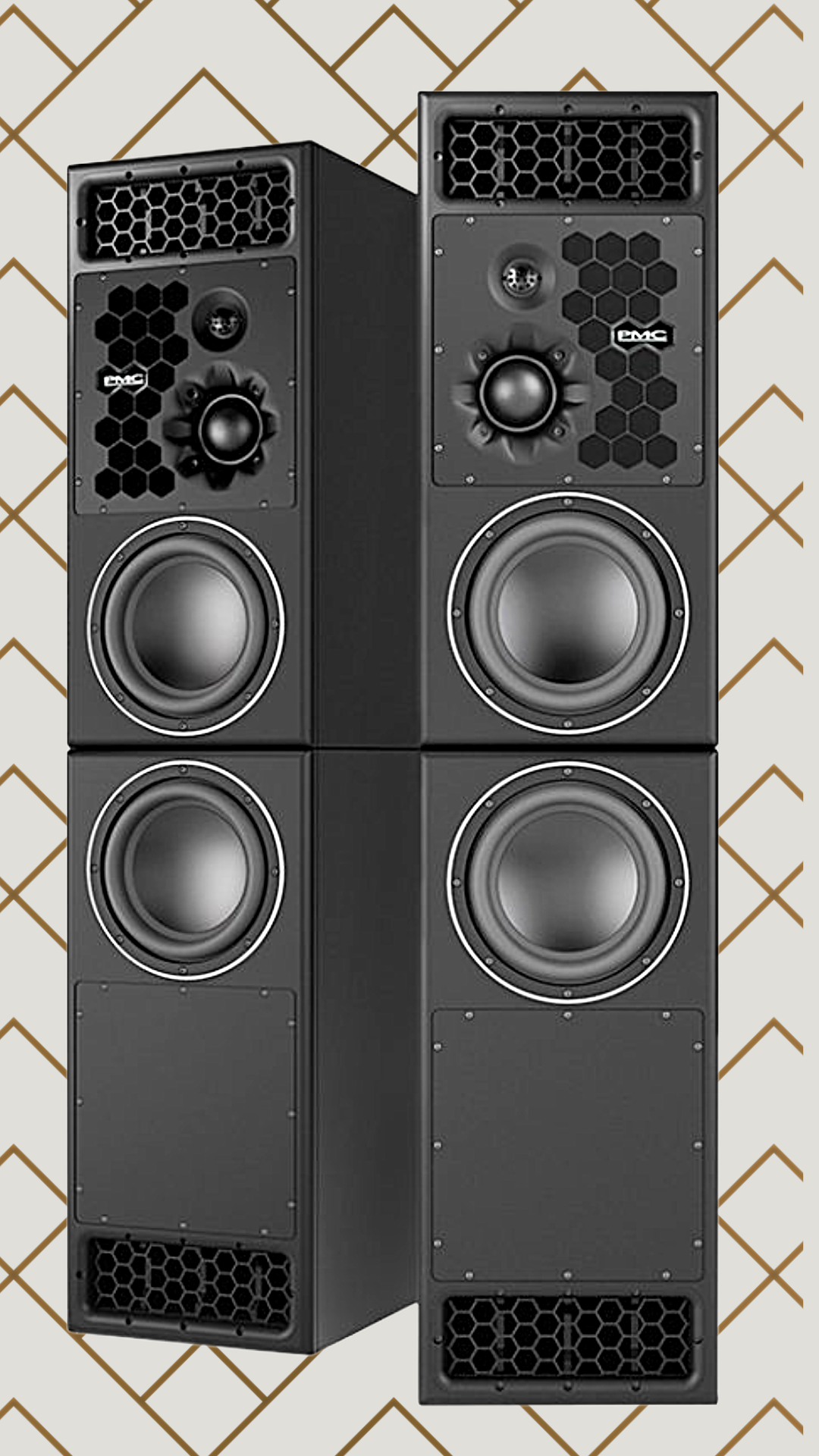
PMC10 XBD
PMC10 XBD delivers expanded low-frequency headroom, scalable power, and precise DSP-optimised reference monitoring for large-format music, film, and immersive studios.
Compact 3-Way Main Monitor
The PMC10 is the smallest model in the range, but it still delivers the core advantage of a true 3-way system: dedicated midrange clarity and controlled low-frequency extension without compromise.
Key Characteristics:
3-way active monitor (LF / MF / HF drivers)
ATL™ bass loading for extended, controlled low end
DSP-controlled amplification for precise crossover and driver alignment
Wide dispersion with stable imaging
Performance Snapshot:
Full-range monitoring in smaller rooms
Clean, articulate midrange due to dedicated MF driver
Tight, accurate bass that avoids typical small-speaker exaggeration
Ideal for:
Compact control rooms needing a true main monitor
Engineers who prioritize midrange accuracy and translation
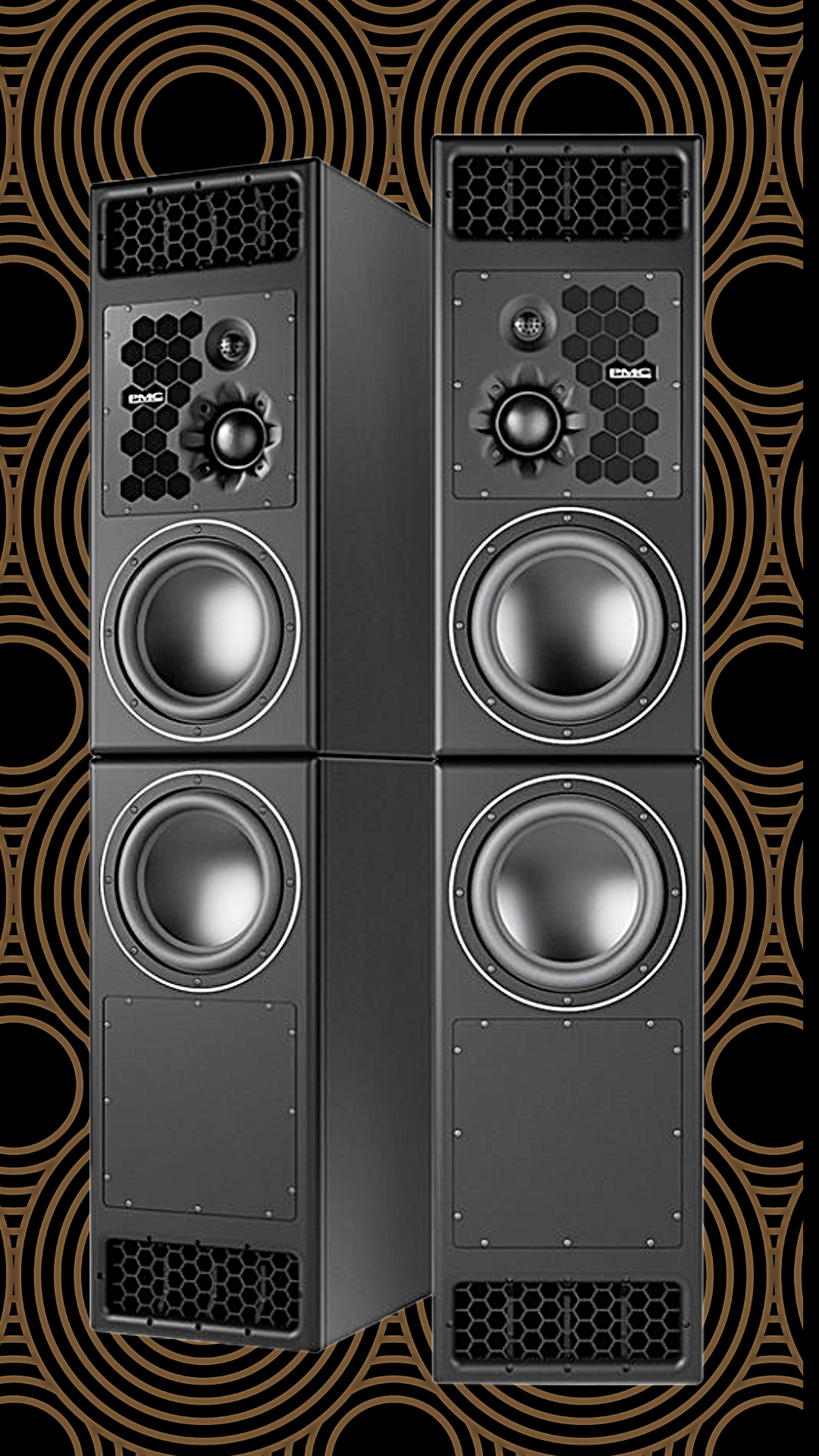
PMC12 XBD
PMC12 XBD delivers massive SPL, ultra-low-distortion bass, precise dispersion, and powerful DSP-optimised monitoring for elite music, broadcast, and film facilities.
Balanced 3-Way System for Professional Rooms
The PMC12 expands on the PMC10 with greater scale, output, and low-frequency authority—while maintaining the same 3-way clarity and system coherence.
Key Characteristics:
3-way active design with increased LF driver size and ATL length
Higher amplifier power and system headroom
DSP-managed crossover and phase alignment
Consistent voicing with the rest of the range
Performance Snapshot:
Greater low-frequency extension and control than PMC10
Increased SPL capability for mid-sized rooms
Maintains clarity and separation under load
Ideal for:
Professional mix rooms
LCR front systems in immersive setups
Engineers needing more scale without losing precision
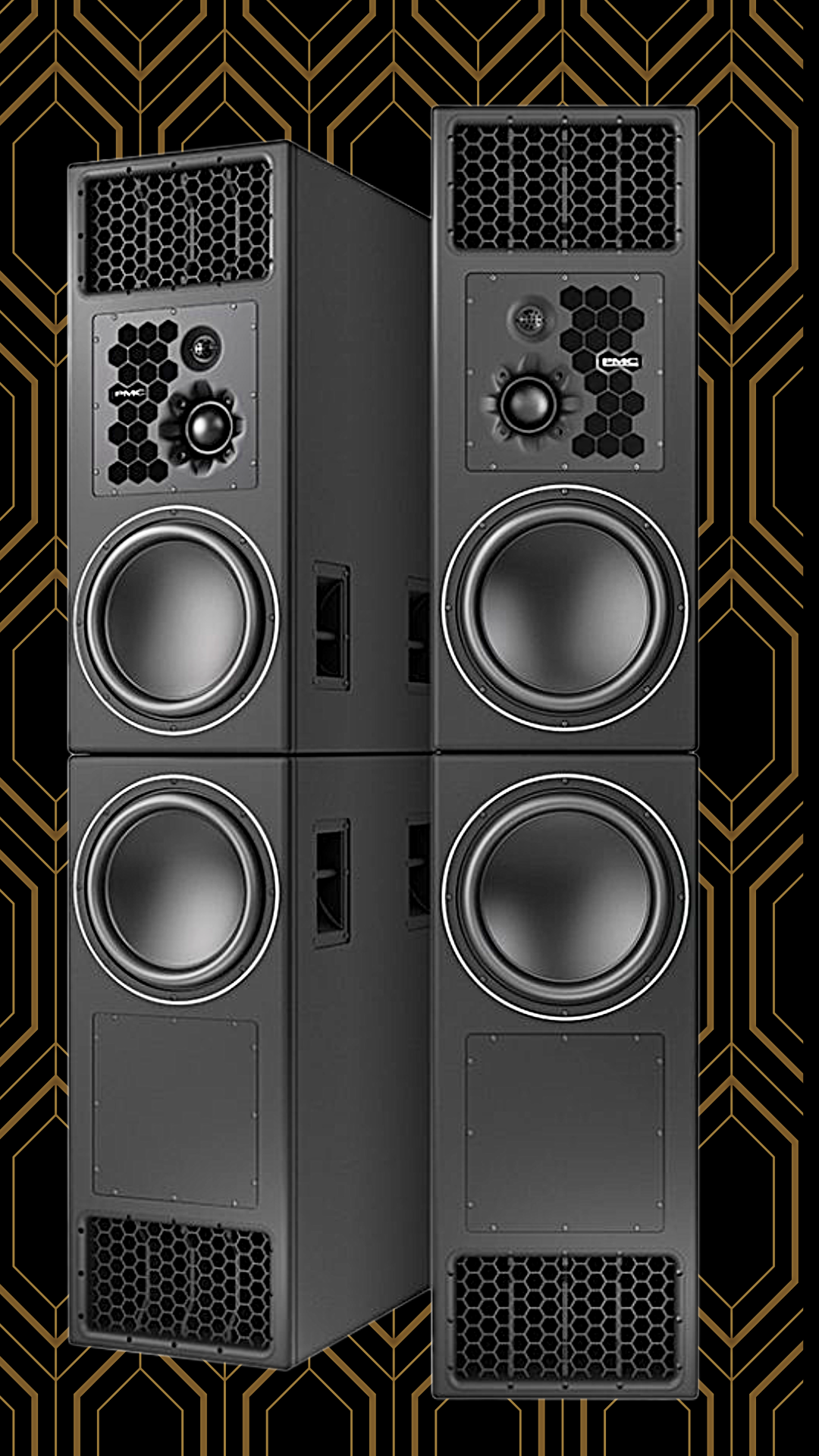
PMC15 XBD
PMC15 XBD sets a new benchmark with immense LF authority, ultra-low distortion, wide dispersion, and powerful DSP-driven precision for elite large-format studios.
High-Output 3-Way Main Monitor
The PMC15 pushes further into full-range, high-output monitoring, delivering the kind of low-end extension and dynamic range required for larger rooms and demanding material.
Key Characteristics:
Larger 3-way active system (dedicated LF, MF, HF drivers)
Extended ATL™ for deeper, more controlled bass response
High-power amplification for wide dynamic range
Designed for midfield to farfield listening distances
Performance Snapshot:
True full-range capability in most control rooms
High SPL with minimal distortion
Effortless low-end reproduction without artificial hype
Ideal for:
Larger control rooms
High-SPL workflows
Engineers working across bass-heavy or dynamic material
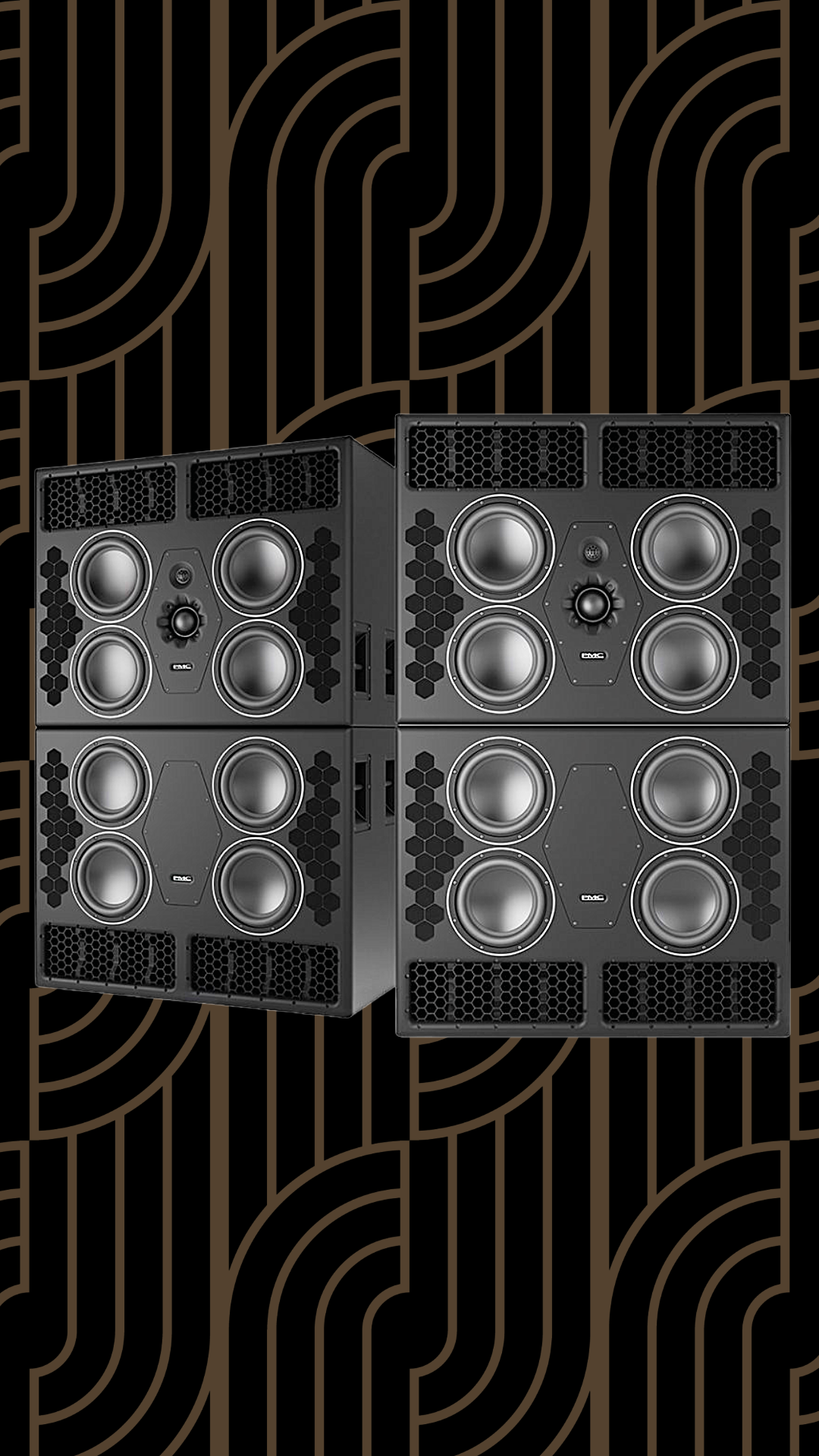
PMC10-4 XBD
PMC10-4 XBD delivers monumental scale, extreme SPL, immense controlled bass, and forensic reference accuracy powered by 9.6kW DSP-optimised amplification for elite studios.
Reference-Level In-Wall Main Monitor System
The PMC10-4 is a large-format, flush-mounted main monitor system designed for flagship control rooms where maximum accuracy, headroom, and scale are required.
This is not a “speaker upgrade.”
This is infrastructure.
Key Characteristics:
Large-scale 3-way active system
Designed for in-wall (flush-mount) installation
Extensive ATL™ implementation for deep, controlled low-frequency reproduction
High-output amplification and precision DSP control
Performance Snapshot:
True full-range monitoring at reference levels
Massive dynamic range with low distortion
Stable imaging across wide listening areas
Ideal for:
High-end mix and mastering facilities
Large-format control rooms
Reference stereo or immersive systems built around platforms like Dolby Laboratories
Why the 3-Way Design Actually Matters
Most people gloss over this—but it’s the whole game.
A true 3-way system gives you:
Dedicated midrange driver → clearer vocal and instrument detail
Reduced crossover stress → better phase coherence
More accurate translation at all levels
Combined with PMC’s transmission line design, you get:
= Low end you can trust
= Midrange that tells the truth
= Highs that don’t fatigue you after 10 hours
The Real Takeaway
PMC didn’t build four different speakers.
They built one monitoring philosophy at four different scales.
Same design logic
Same tonal balance
Same goal: translation without guesswork
Most brands change character as you move up the line.
PMC just gives you more of the truth.
System Thinking: Not Just Speakers
Here’s where most people get it wrong:
They buy speakers as if they were standalone products.
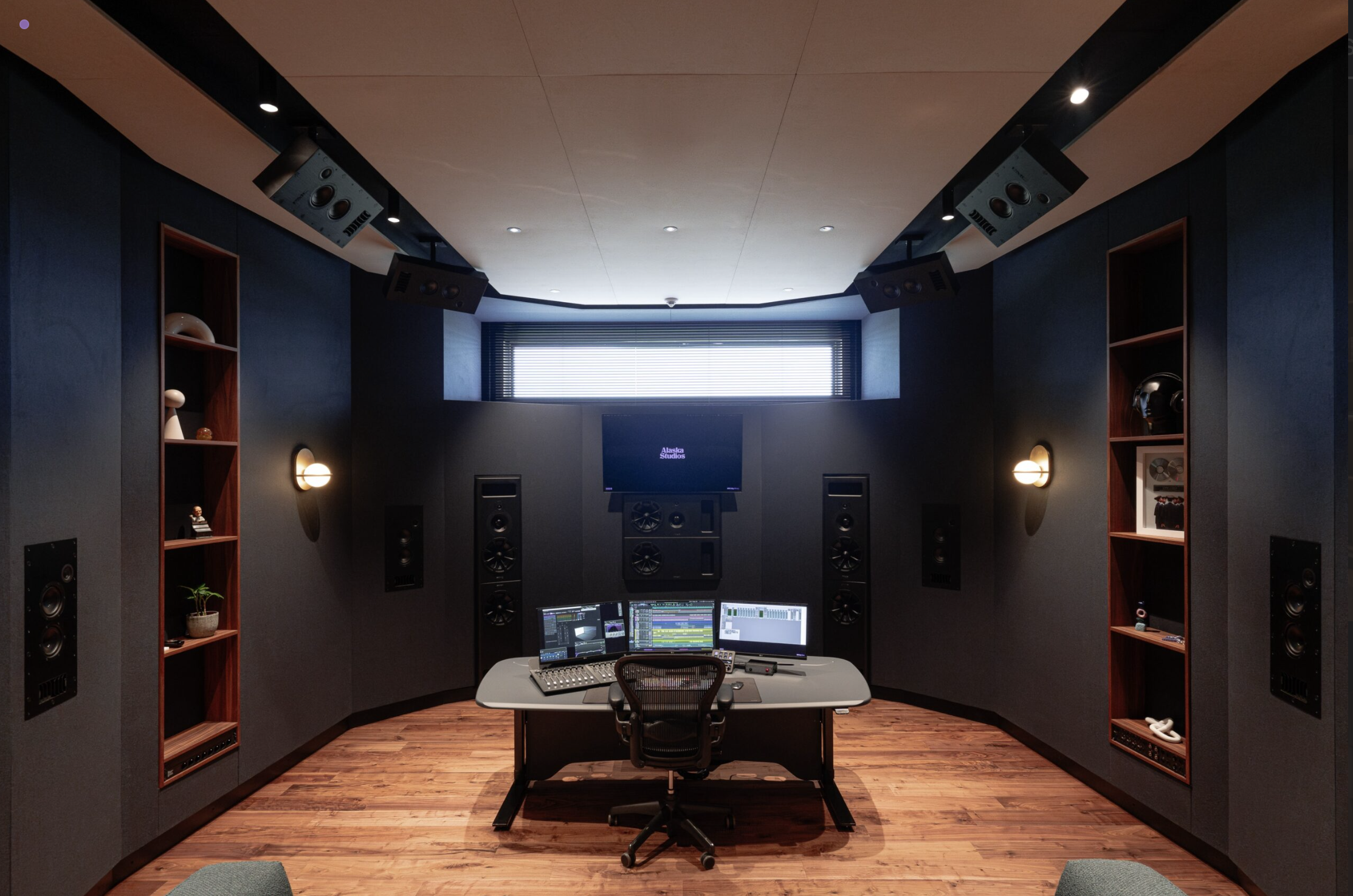
PMC builds monitoring systems.
Especially in Atmos environments, the goal isn’t:
“Great left and right speakers”
It’s:
A coherent, unified listening environment
That’s where PMC’s consistency across models becomes a massive advantage.
Reality Check: These Won’t Fix Your Room
Let’s kill the fantasy right now.
PMC monitors will NOT:
Fix bad acoustics
Solve poor speaker placement
Make bad mixes magically good
What they WILL do:
Expose problems instantly
Remove guesswork
Let your skills—not your gear—determine the outcome
And that’s exactly why some people don’t like them.
Final Take: Truth vs Comfort
If you want speakers that:
Sound impressive right away
Add a little extra low-end “confidence”
Make everything feel finished
PMC is not for you.
But if you want:
Mixes that translate everywhere
Honest feedback (even when it stings)
A monitoring system that scales with your career
Then PMC is one of the few brands actually solving the problem.
For Serious Rooms Only
If you’re building:
A professional mix environment
A Dolby Atmos studio
Or a room where translation actually matters
Then your monitoring isn’t a vibe decision.
It’s an engineering decision.
If you want help designing a system that actually translates, let’s talk.